
April 8, 2026
Kufuor Foundation and Axis Scholars convened at the COME Center
A defining intellectual and ideological engagement on higher education, purpose, and Africa’s next generation of leaders.
Godswill T.K. Mensah · Executive Director, COME
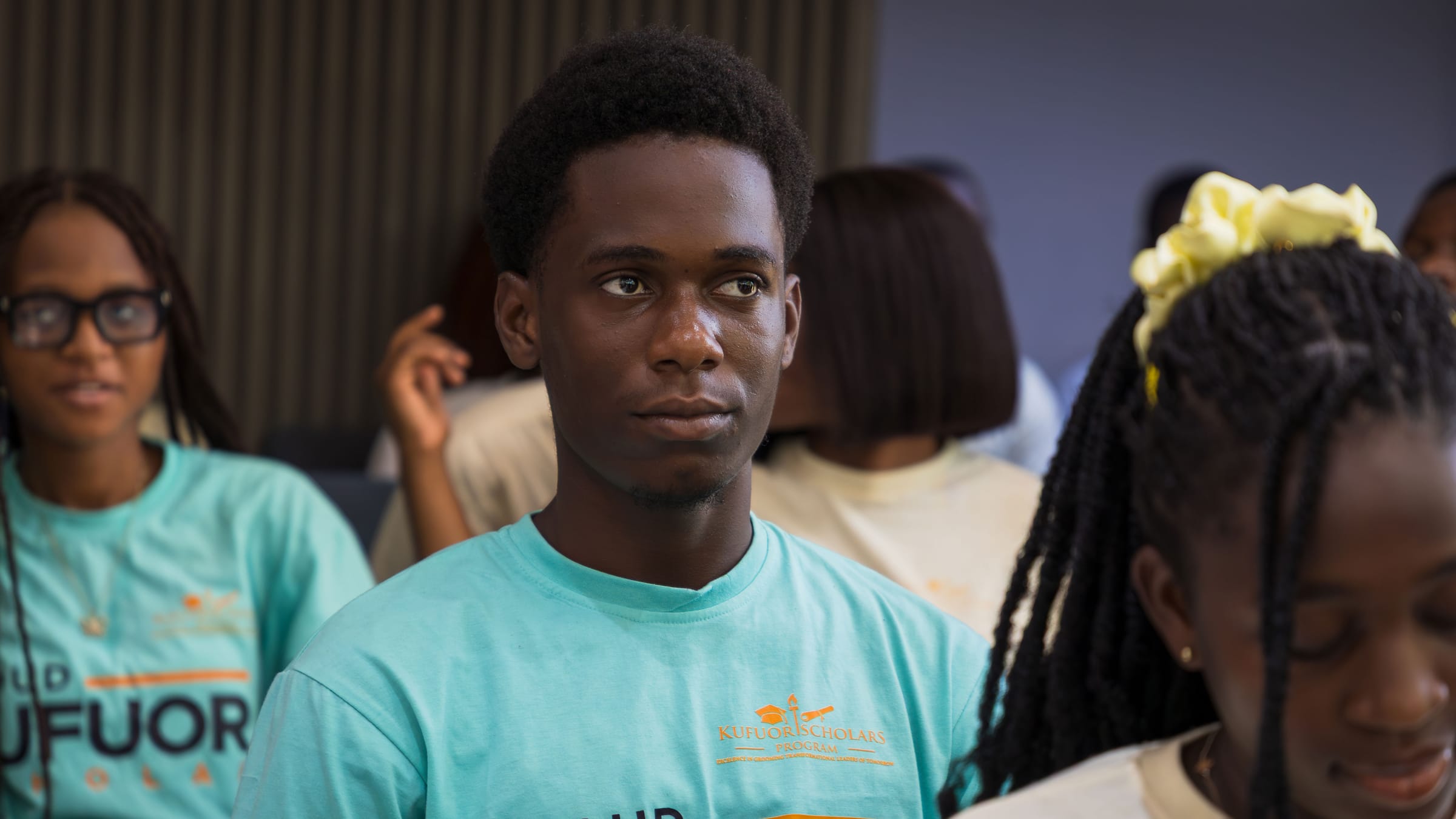
The Kufuor Foundation and Axis Scholars at the COME Center for dialogue on higher education, purpose, and leadership.
Over the weekend, the Kufuor Foundation, together with the Axis Scholars, convened at the COME Center for what can best be described as a defining intellectual and ideological engagement. This was not a routine visit or a ceremonial gathering. It was a deliberate engagement designed to interrogate the purpose and direction of higher education among Africa's emerging leaders. Under the leadership of Dr. Pascal, some of Ghana's — and indeed Africa's — finest tertiary students assembled. The group comprised individuals from diverse academic backgrounds, including law, engineering, medicine, political science, computer science, and biomedical studies. Despite their varied disciplines, the session centered on one critical question: What is the true purpose of education?
The Kufuor Foundation and Axis Scholars convened at the COME Center for structured dialogue on education and direction.
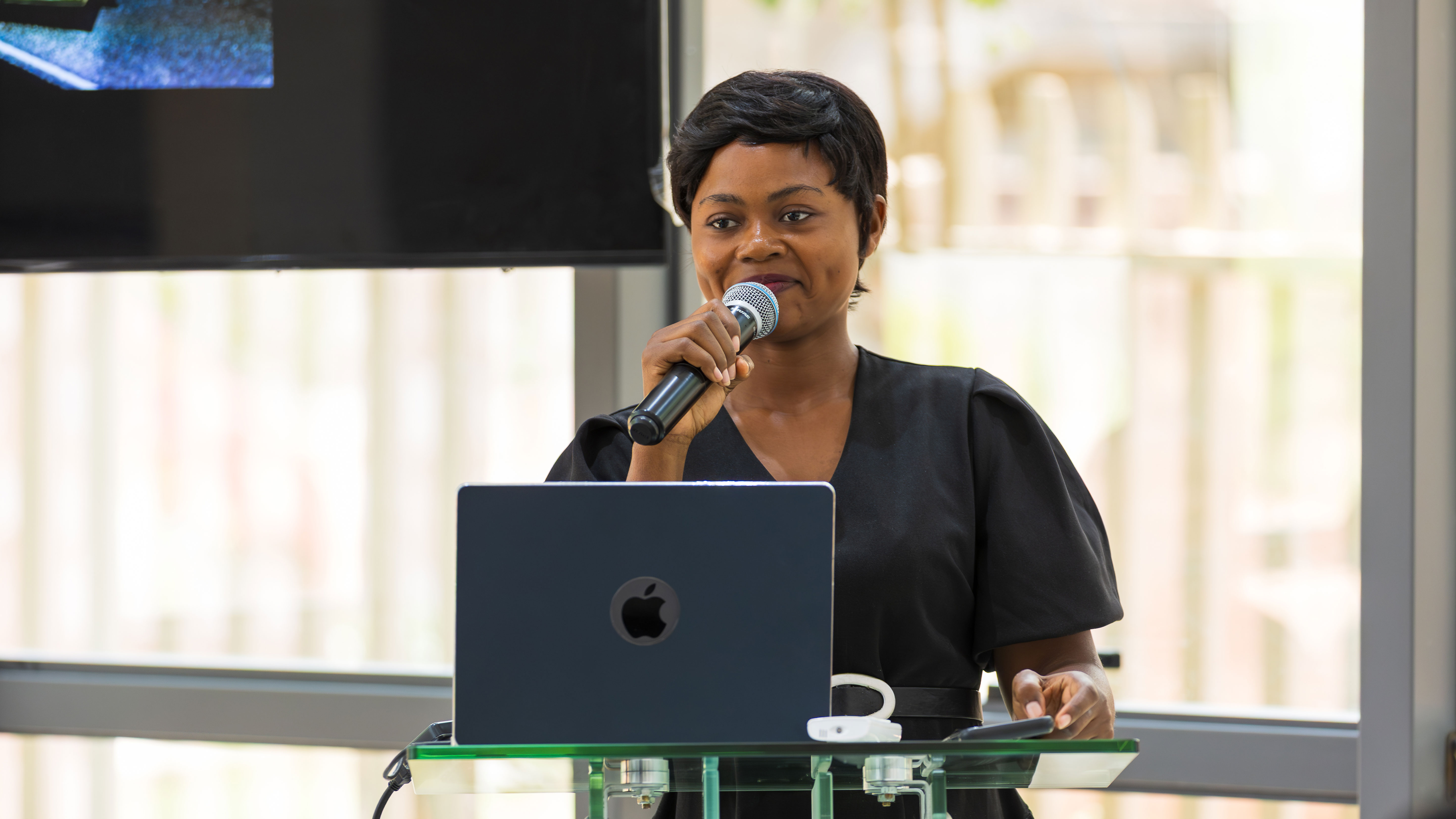
Institutional engagement anchored on themes of leadership and transformation.
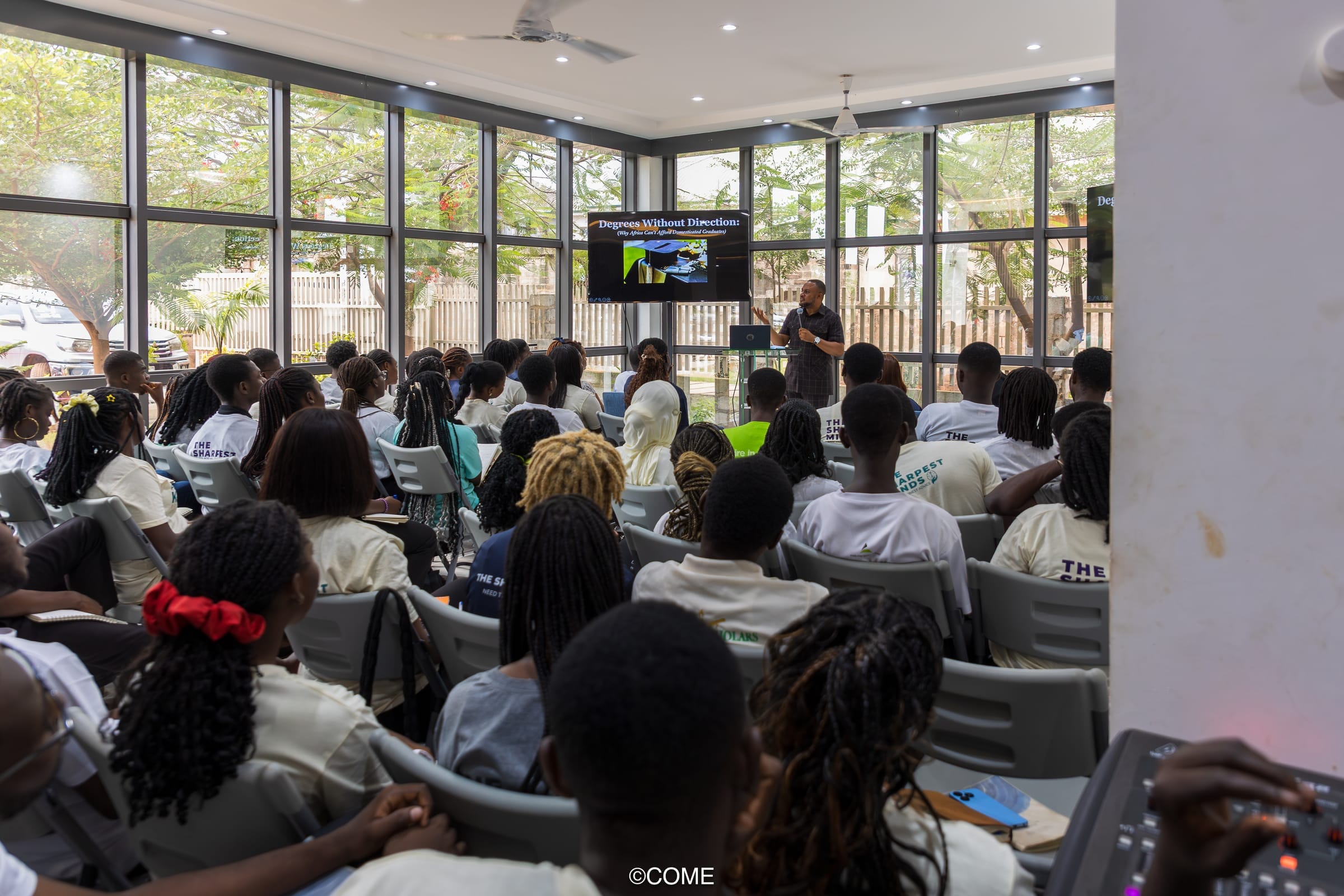
Cohort-scale learning: diverse disciplines represented in one conversation.
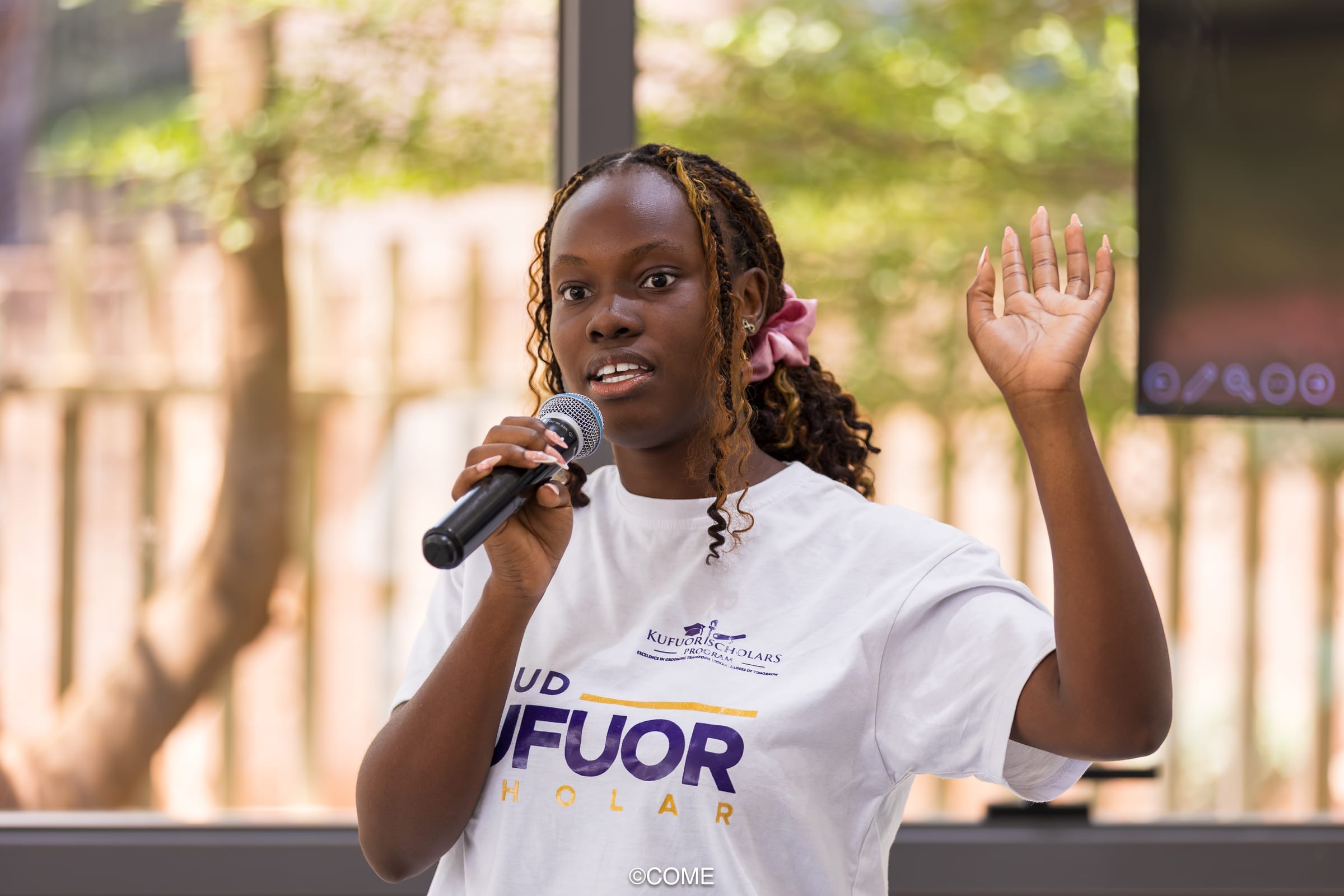
Emerging leaders interrogating the purpose of education beyond credentials.
The Burden of the Message
The engagement was anchored on the theme: "Degrees Without Direction: Why Africa Cannot Afford Domesticated Graduates." The central argument was clear: Africa's primary challenge is not a lack of education, but a lack of direction. While access to education has increased significantly, its alignment with purpose, problem-solving, and transformation remains inadequate. Africa is not suffering from illiteracy; it is grappling with misaligned intelligence. Many graduates are equipped to pass examinations but are insufficiently prepared to confront systemic challenges, develop solutions, or drive meaningful change. A degree, in itself, does not guarantee impact. Without direction, it merely facilitates movement without progress.
The Real Crisis: Misaligned Intelligence
The discussion highlighted a fundamental concern: Africa possesses immense intellectual capacity, yet much of it remains underutilised or improperly directed. While knowledge acquisition has improved, its application toward transformation is limited. As a result, the continent continues to produce graduates who are academically qualified but insufficiently positioned to lead reform, innovation, and systemic change. This disconnect between education and impact represents one of the most critical challenges facing the continent today.
The Call to Distinction
Participants were challenged to rethink their approach to education and personal development. The emphasis was not on participation alone, but on distinction. They were encouraged to: - Pursue excellence rather than mere completion - Resist conformity and develop independent, critical thinking - Move beyond employability toward indispensability The session emphasised that mediocrity in a developing context is not neutral — it carries consequences. Average output slows national and continental progress, while excellence accelerates transformation.
A Voice from the Room: The Need for Mentorship
One of the scholars provided a critical insight that captured the collective need of many participants: > # "What would make the greatest difference for me — and many of us — is practical, experience-based mentorship. Not just inspiration, but guidance on how to think, plan, execute, and remain consistent, even when the path is unclear." This statement revealed a significant gap. The challenge is no longer access to information, but access to formation — structured guidance that translates ideas into execution. Students are not merely seeking motivation; they require frameworks for discernment, execution, discipline, and long-term consistency.
Implications for Africa
This insight reflects a broader continental reality. Africa does not simply need educated individuals; it requires mentored and strategically developed leaders. Without this, ambition often leads to frustration, ideas remain undeveloped, and potential is left unrealised. Bridging this gap requires intentional systems of mentorship, training, and practical exposure.
What Is Happening at the COME Center
The COME Training Center is increasingly becoming a hub for this kind of transformation. It is evolving beyond a meeting venue into a formation ground — a space where individuals are developed intellectually, strategically, and practically. At COME: - Minds are stretched beyond conventional thinking - Convictions are sharpened through critical engagement - Purpose is clarified through structured dialogue - Responsibility is instilled through intentional development The focus is not merely on inspiration, but on capacity building and execution readiness.
Why COME Exists
The work of COME is grounded in a clear philosophy: development must move beyond theory into practice. Its approach includes: - Practical, experience-based mentorship - Real-life project engagement - Structured leadership and capacity training - Strategic thinking and decision-making frameworks - Continuous feedback and guided execution The objective is not to produce dreamers, but builders — individuals capable of translating vision into tangible outcomes.
The Mandate
The work at COME is guided by a defined vision and mission: Vision An Africa where young professionals of high integrity excel in their careers and contribute meaningfully to societal transformation. Mission To empower students and young professionals through leadership development, mentorship, research, and outreach. This mandate is not aspirational — it is actively being implemented. --- Africa does not need more graduates. It needs directed graduates — individuals equipped not only with knowledge, but with clarity, conviction, and the capacity to act. The future of the continent depends not on the quantity of degrees produced, but on the quality of thinking, leadership, and execution those degrees represent. — Godswill T.K. Mensah, Executive Director, COME | Wednesday, 8th April, 2026
Featured in Program updates
More stories from the same category.
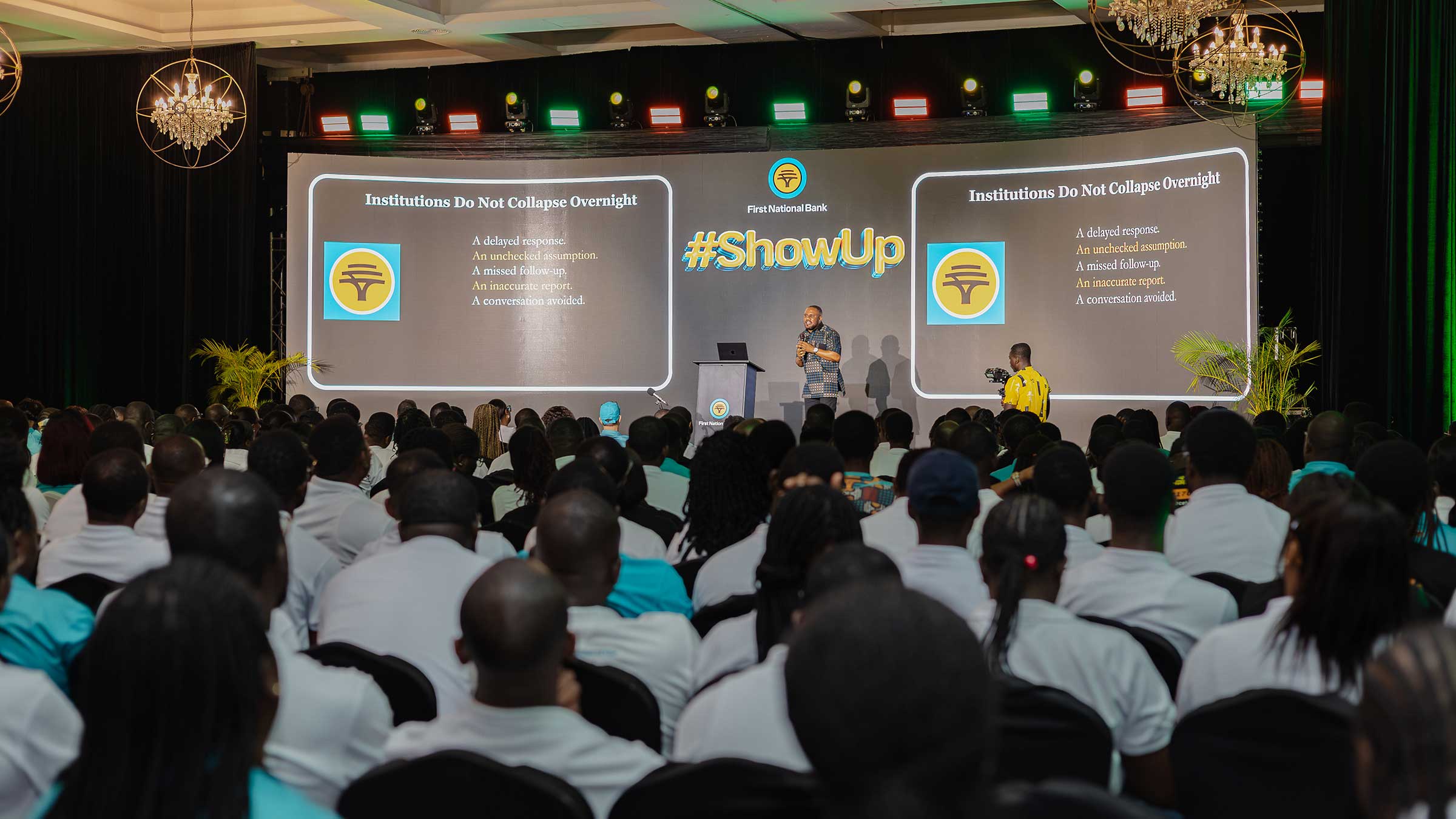
The Thinking Advantage: COME at the 2026 First National Bank Ghana Townhall
COME's Executive Director, Godswill T.K. Mensah, delivered a leadership presentation at the 2026 First National Bank Ghana Townhall Meeting, exploring how great institutions are built first in the minds of their people before they are built in the marketplace.
July 21, 2026
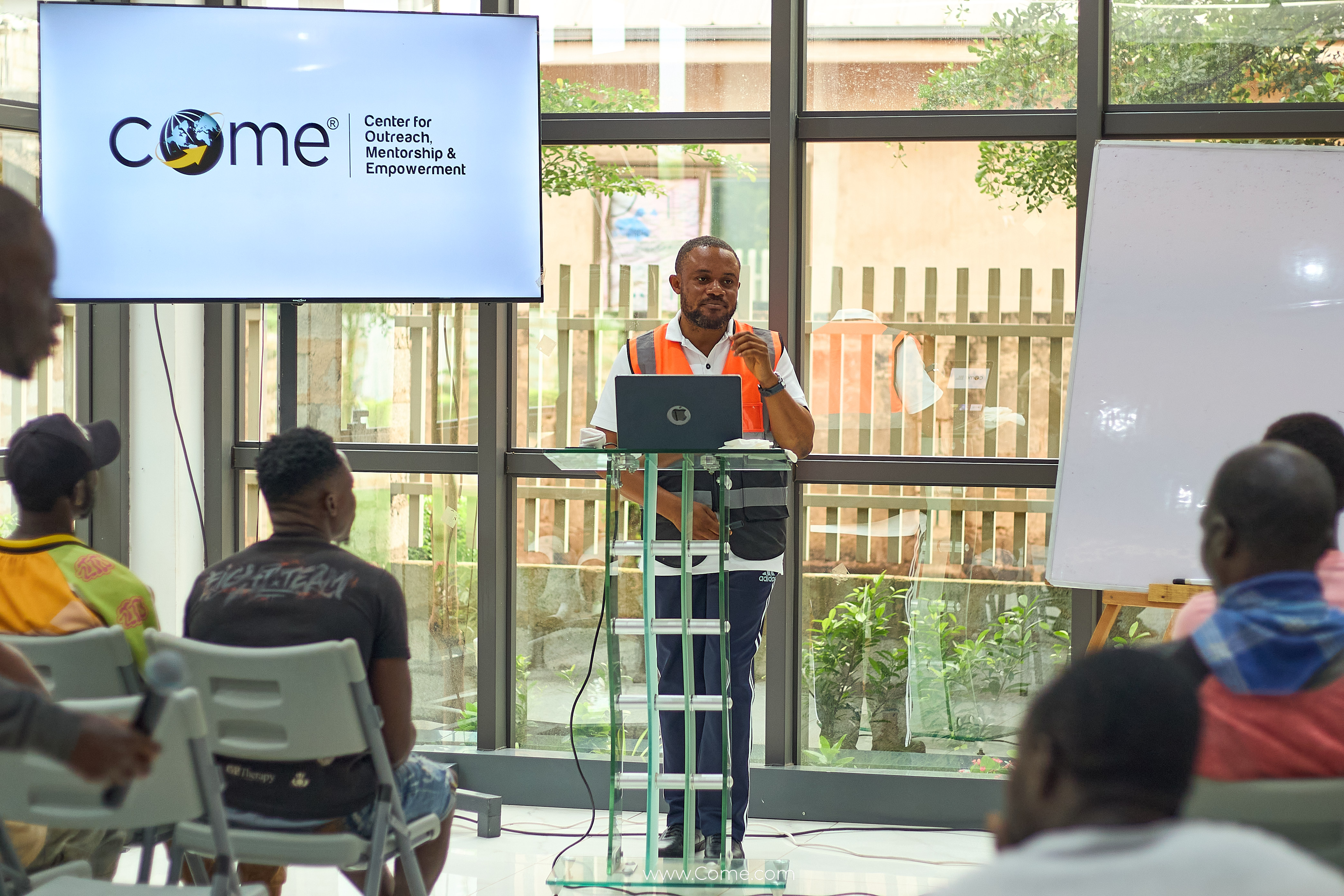
Hands That Build: Announcing the Tu Dukɔ Project
Tu Dukɔ — meaning "Build the Nation" in Ewe — is COME's newest initiative, designed to train, inspire and transform Africa's everyday workers into intentional nation builders.
July 9, 2026
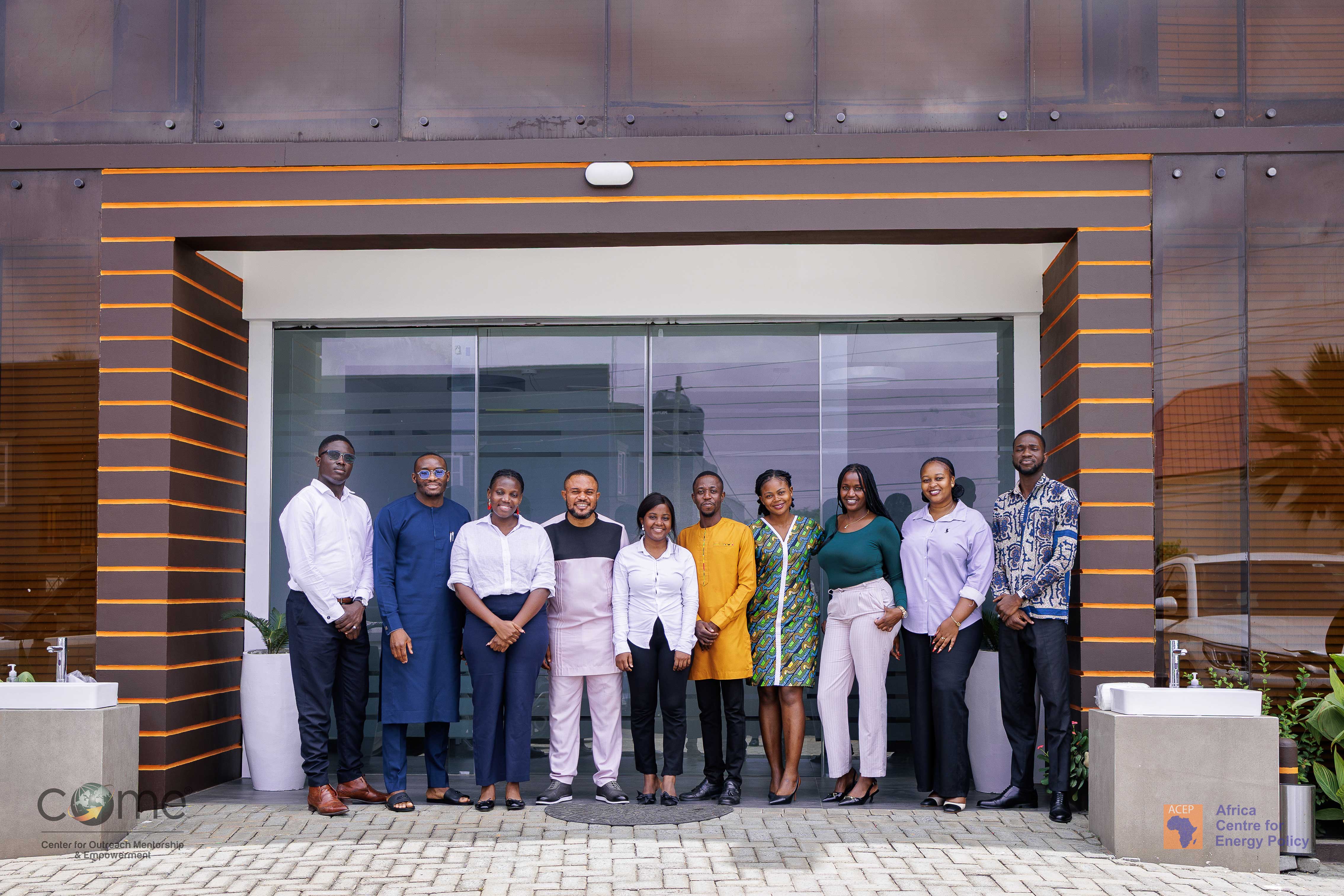
Shaping Africa's Next Thought Leaders: COME Trains ACEP NextGen Cohort 10
For five years, COME has partnered with the Africa Centre for Energy Policy's NextGen Program to develop emerging African leaders in policy, governance, and the extractives sector. This is the story of Cohort 10.
April 22, 2026